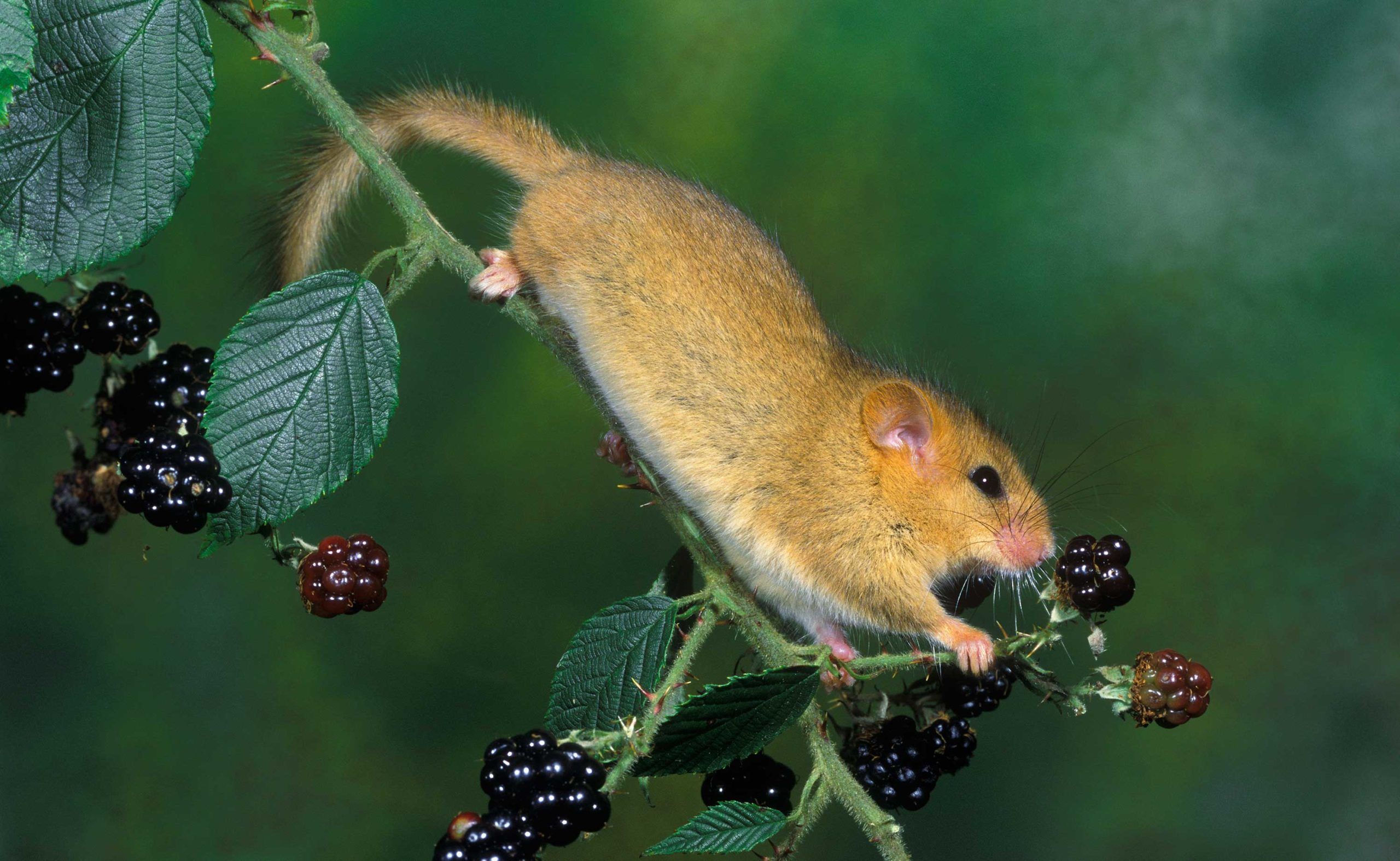
Dormouse Food: The Diet of These Nocturnal Rodents

risques-niger.org – Dormice, small nocturnal rodents found across Europe, Asia, and Africa, are known for their long periods of hibernation and unique dietary habits. Unlike many other rodents, dormice have a varied diet that changes with the seasons and includes both plant-based foods and animal matter. Their diet plays a critical role in their preparation for hibernation, as they need to store fat to survive the long winter months. Understanding the specific dietary needs of dormice is essential for their care in the wild and in captivity. This article provides an in-depth look at what dormice eat, how their feeding habits change throughout the year, and what considerations are important when feeding dormice in captivity.

1. Dormouse Diet Overview: Omnivorous with Seasonal Variation

Dormice are omnivores, which means they consume both plant and animal matter. Their diet is highly adaptable and varies based on the availability of food throughout the year. Dormice are primarily nocturnal feeders, foraging for food during the night and resting during the day. The dormouse’s diet includes fruits, nuts, seeds, flowers, insects, and occasionally other small invertebrates.

Key Components of a Dormouse’s Diet:

  • Fruits: A significant portion of their diet during the late summer and autumn.
  • Nuts and seeds: Important food sources, especially in autumn, for building fat reserves.
  • Flowers and nectar: Consumed during spring and early summer when plants are in bloom.
  • Insects and small invertebrates: Provide protein, especially during the breeding season.

Dormice are opportunistic feeders, making use of whatever food sources are available to them in their natural habitat.

2. Fruits: A Favorite Food Source

Fruits play a crucial role in the dormouse’s diet, especially in late summer and autumn when fruiting plants are abundant. Fruits provide dormice with sugars, vitamins, and energy needed to prepare for hibernation. Dormice are particularly drawn to soft, fleshy fruits, which they consume in large quantities when available.

Common Fruits Eaten by Dormice:

  • Blackberries: A favorite for dormice, blackberries provide essential sugars and nutrients.
  • Raspberries: Another common fruit dormice forage for in the wild.
  • Apples: Dormice may eat wild apples when they find them in orchards or forested areas.
  • Plums: Dormice enjoy plums, especially as they ripen in late summer.

Fruits are especially important for dormice in the months leading up to hibernation, as they help the animals build up fat reserves.

3. Nuts and Seeds: Vital for Winter Preparation

Nuts and seeds are critical to the dormouse’s diet, particularly in autumn when they prepare for their long hibernation. These foods are high in fats and proteins, which dormice need to store energy for the winter months. Dormice are excellent climbers, and they forage for nuts and seeds from trees and shrubs in their habitat.

Common Nuts and Seeds Eaten by Dormice:

  • Hazelnuts: A primary food source for dormice, especially in autumn when hazelnuts are plentiful.
  • Beech nuts: Another important source of fat and protein.
  • Acorns: Dormice may consume acorns when other food sources are scarce.
  • Sunflower seeds: In captivity, sunflower seeds are often provided as a nutritious treat.

The high fat content in nuts and seeds helps dormice survive the long months of hibernation, during which they rely on their stored fat for energy.

4. Flowers and Nectar: A Springtime Delicacy

During the spring and early summer, dormice feed on flowers and nectar. Flowers provide essential nutrients and energy, while nectar serves as a sweet treat that helps sustain them after their winter hibernation. Dormice are particularly drawn to blossoms in wooded areas and hedgerows where they can forage safely.

Common Flowers and Nectar Sources for Dormice:

  • Honeysuckle: A favorite among dormice for its sweet nectar.
  • Hawthorn blossoms: Dormice feed on both the flowers and the leaves of hawthorn.
  • Blackthorn flowers: Another common food source in the early spring.
  • Wild roses: Dormice are known to nibble on wild rose petals and consume the nectar.

These flowers and nectar sources are important in the spring when other food sources may still be scarce after the winter months.

5. Insects and Invertebrates: An Occasional Source of Protein

Although dormice are primarily herbivorous, they do consume insects and small invertebrates when plant-based foods are not readily available or when they need extra protein, such as during the breeding season. Insects are also more abundant in the warmer months, making them an easy food source.

Common Insects and Invertebrates Eaten by Dormice:

  • Caterpillars: Dormice may forage for caterpillars during the spring and summer.
  • Beetles: An occasional source of protein for dormice.
  • Spiders: Dormice may consume spiders if they are easily accessible.
  • Snails: Dormice sometimes eat snails, particularly in moist environments.

Insects are not a major part of the dormouse’s diet, but they provide essential protein when needed, particularly during the warmer months.

6. Dormice and Hibernation: The Role of Diet in Winter Survival

Dormice are famous for their long hibernation periods, often lasting up to six months depending on the climate. In preparation for hibernation, dormice enter a state of hyperphagia (increased eating), where they consume large quantities of high-energy foods like nuts, seeds, and fruits. The fat reserves they build up during this time are critical for their survival throughout the winter months when food is scarce, and they enter a deep sleep to conserve energy.

Hibernation and Food Storage:

  • Fat reserves: Dormice need to increase their body fat significantly before hibernation.
  • Autumn diet: Dormice focus on consuming energy-dense foods like hazelnuts and beech nuts.
  • Reduced activity: As dormice prepare for hibernation, their activity levels decrease, and they focus on conserving energy.

A successful hibernation depends heavily on the quality and quantity of food consumed in the autumn, making this a critical period for dormice.

7. Seasonal Feeding Habits of Dormice

The diet of dormice changes significantly with the seasons, as they adjust their food intake based on the availability of different food sources throughout the year. Dormice are opportunistic feeders, meaning they take advantage of whatever is available in their environment.

Seasonal Diet Breakdown:

  • Spring: Flowers, nectar, and young leaves are the primary food sources.
  • Summer: Dormice continue to eat flowers and begin foraging for berries and fruits.
  • Autumn: Nuts and seeds become the focus of their diet as they prepare for hibernation.
  • Winter: Dormice are in hibernation, relying on their fat reserves to survive.

This seasonal variation allows dormice to thrive in their environments by adapting their diet to the changing availability of food.

8. Feeding Dormice in Captivity

Feeding dormice in captivity requires careful attention to their natural dietary habits to ensure they receive the proper nutrients for their health. A diet rich in fruits, nuts, seeds, and occasional insects will help mimic their natural feeding patterns. In addition, it’s important to adjust their diet based on the time of year to prepare them for periods of rest or increased activity.

Recommended Foods for Captive Dormice:

  • Fruits: Apples, blackberries, and raspberries are excellent choices.
  • Nuts and seeds: Provide hazelnuts, sunflower seeds, and beech nuts.
  • Insects: Occasional mealworms or crickets can be offered as a protein source.
  • Flowers: Edible flowers such as dandelions or honeysuckle can add variety to their diet.

Fresh water should always be available, and foods high in sugar or salt should be avoided to prevent health issues in dormice.

9. Conclusion

Dormice have a varied and seasonal diet that includes fruits, nuts, seeds, flowers, and insects. Their omnivorous feeding habits help them adapt to their environment and ensure they can survive the long months of hibernation. Whether in the wild or captivity, a balanced diet is essential for their health and well-being. By understanding their dietary needs and how these change throughout the year, we can better support dormice in both their natural habitats and in human care.

Their diet plays a pivotal role in their survival strategy, particularly during the critical pre-hibernation period when they need to store energy. Ensuring that dormice have access to the right foods during different seasons helps them maintain their health, sustain their active nocturnal lifestyle, and prepare for the long, cold winter months ahead.
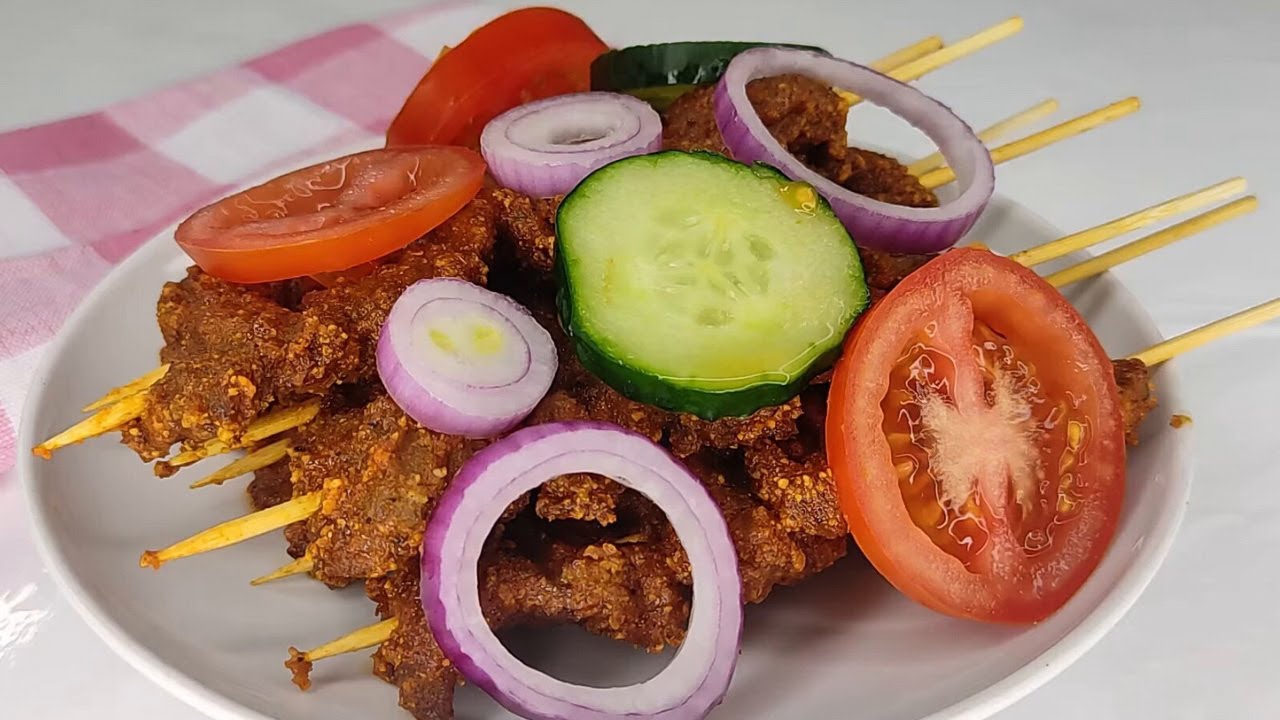
Suya: A Spicy and Savory Street Food Sensation

risques-niger.org – Suya, a popular West African street food, consists of thinly sliced, spiced, and grilled meat skewers, most commonly beef, but also chicken, ram, or offal. This flavorful and aromatic delicacy is a staple across Nigeria, Ghana, Cameroon, and other parts of the region, enjoyed by people of all ages and backgrounds. More than just a snack, suya represents a cultural experience, often enjoyed in social settings and late-night gatherings.   

Origins and Cultural Significance

The origins of suya are often attributed to the Hausa people of Northern Nigeria, who are known for their expertise in cattle rearing and meat preparation. The word “suya” is believed to have originated from the Hausa word “tsire,” which refers to the spiced meat. Over time, suya spread throughout West Africa, becoming a beloved street food enjoyed by diverse communities.   

Suya holds significant cultural importance, often associated with social gatherings, celebrations, and late-night outings. Suya vendors, known as “mai suya,” are a common sight in West African cities and towns, setting up their grills along busy streets and creating a vibrant atmosphere with the aroma of grilling meat and spices.

Key Ingredients: A Blend of Spices and Flavors

The distinctive flavor of suya comes from a unique blend of spices and seasonings, creating a complex and savory profile. The key components include:   

  • Meat: Beef is the most common type of meat used for suya, but other meats like chicken, ram, or offal (kidney, liver, tripe) can also be used. The meat is typically thinly sliced or cut into small pieces for even cooking.   

  • Yaji Spice Mix: This is the heart of suya’s flavor. It’s a complex blend of ground spices, including:

    • Ground Peanuts or Peanut Cake (Kulikuli): This provides a nutty base and adds texture.   
    • Dried Chili Peppers: These provide heat and contribute to the reddish color.   
    • Ginger: Adds a warm, spicy note.   
    • Dried Onions: Adds sweetness and depth of flavor.
    • Other Spices: Other spices that may be included are garlic powder, paprika, cloves, black pepper, and sometimes Maggi cubes or other bouillon.
  • Oil: Vegetable oil or groundnut oil is used to marinate the meat and to oil the grill.   

  • Onions and Tomatoes (for serving): Sliced onions and tomatoes are often served alongside suya as a refreshing accompaniment.   

Preparing Suya: A Grilling Art

The preparation of suya involves several key steps:

  1. Preparing the Meat: The meat is thinly sliced or cut into small pieces and then marinated in a mixture of oil and some of the yaji spice mix. The marination time can vary from a few hours to overnight, allowing the flavors to penetrate the meat.   
  2. Making the Yaji Spice Mix: The yaji spice mix is prepared by grinding the various spices together into a fine powder. The specific proportions of each spice can vary depending on regional preferences and individual recipes.
  3. Grilling the Suya: The marinated meat is threaded onto skewers and grilled over hot coals or a grill. The skewers are turned frequently to ensure even cooking and prevent burning. The grilling process imparts a smoky flavor to the meat.   
  4. Applying More Yaji: During the grilling process, more of the yaji spice mix is often sprinkled onto the meat, intensifying the flavor.
  5. Serving the Suya: The grilled suya skewers are served hot, often with sliced onions and tomatoes. Some vendors may also offer additional spices or sauces.   

Regional Variations and Styles

While the basic concept of suya remains the same, there are regional variations in the preparation and presentation.

  • Northern Nigerian Suya: Often uses more ground peanuts and has a drier texture.
  • Southern Nigerian Suya: May incorporate more oil in the marinade and have a slightly moister texture.
  • Ghanaian Suya (Chichinga): Often uses different spice combinations and may include more vegetables.

Serving and Enjoying Suya

Suya is typically enjoyed as a snack or a light meal, often consumed in social settings and late at night. It is a popular street food, sold by vendors at roadside stalls, markets, and events.   

Nutritional Value and Considerations

Suya provides a good source of protein from the meat. However, it can also be high in sodium and fat, depending on the preparation methods and the amount of oil and spices used. It’s best enjoyed in moderation as part of a balanced diet.

Suya’s Enduring Popularity

Suya’s delicious flavor, affordability, and cultural significance have contributed to its enduring popularity across West Africa. It is more than just a street food; it is a cultural icon, representing the region’s rich culinary heritage and bringing people together through shared culinary experiences. From bustling city streets to local markets, the aroma of grilling suya continues to be a testament to its enduring appeal.

Indian Street Food: A Spicy Tour Through Chaat and More

risques-niger.org – India, a country known for its rich tapestry of cultures and traditions, is also a paradise for food lovers. The streets of India are lined with vendors selling an array of mouth-watering snacks, collectively known as chaat. This article takes you on a spicy tour through the world of Indian street food, exploring the flavors, textures, and traditions that make chaat an essential part of the Indian culinary landscape.

The Essence of Chaat: A Symphony of Flavors

Chaat is more than just food; it’s an experience. The term “chaat” refers to a variety of savory snacks that are typically served at street-side stalls. These dishes are characterized by a harmonious blend of spices, a tangy taste, and a crunchy texture. From the iconic pani puri to the spicy samosas, chaat is all about the interplay of flavors—sweet, sour, salty, and spicy—that create a symphony in the mouth.

Pani Puri: The Queen of Chaat

No discussion of Indian street food is complete without mentioning pani puri. These hollow, puffed puris are filled with a mixture of tamarind water, mint, spices, and a sprinkle of chopped potatoes, chickpeas, and onions. The thrill of eating pani puri lies in the burst of flavors as you pop the entire puri into your mouth, experiencing a rollercoaster of taste sensations.

Samosas: A Crispy Delight

Samosas are another beloved street food in India. These triangular pastries are stuffed with a spiced mixture of potatoes, peas, and sometimes meat, then deep-fried until crispy. Served with a side of tamarind or mint chutney, samosas are the perfect snack for those who crave a hearty, satisfying bite.

Bhel Puri: The Crunchy Chaat

Bhel puri is a popular chaat that combines puffed rice, chopped onions, tomatoes, and a variety of chutneys and spices. The dish is known for its crunchy texture and tangy flavor, making it a refreshing option for a quick snack. The art of making bhel puri lies in the balance of ingredients, ensuring that each bite is a perfect blend of sweet, sour, and spicy.

Dahi Puri: Cooling Down the Spice

For those who love the creamy texture of yogurt, dahi puri is a must-try. Similar to pani puri, dahi puri consists of hollow puris filled with a mixture of potatoes, chickpeas, and yogurt, topped with chutneys and spices. The yogurt acts as a cooling agent, providing a soothing contrast to the spiciness of the other ingredients.

Vada Pav: The Indian Burger

Vada pav is often referred to as the Indian burger. A soft pav (bread roll) is filled with a deep-fried potato dumpling called vada, along with chutneys and spices. This hearty snack is a favorite among locals, offering a filling meal on the go. The combination of the crispy vada and the soft pav, along with the burst of flavors from the chutneys, makes vada pav a beloved street food.

Conclusion

Indian street food is a testament to the country’s culinary diversity and creativity. From the tangy pani puri to the crispy samosas, each chaat dish tells a story of India’s rich culinary heritage. Whether you’re looking for a quick snack or a hearty meal, the streets of India offer a spicy tour that is sure to tantalize your taste buds and leave you craving more. So, the next time you visit India, don’t miss out on the opportunity to indulge in the vibrant world of Indian street food.

A Taste of Luxury: The World’s Most Expensive Caviar

In the realm of culinary delights, caviar stands as a symbol of opulence and sophistication. Among the various grades and types of caviar available, there is one that reigns supreme in terms of price and exclusivity: the world’s most expensive caviar. This exquisite delicacy is not just a treat for the palate but also an experience that embodies luxury and rarity. In this article, we delve into the world of the most expensive caviar, exploring its origins, production, and the unique qualities that make it a treasure in the gastronomic world.

The Origins of Luxury: The Beluga, Osetra, and Sevruga

Caviar, the roe or eggs of sturgeon fish, has been a luxury item for centuries. The most prized varieties come from the Beluga, Osetra, and Sevruga sturgeons, which are native to the Caspian and Black Sea regions. These sturgeons produce caviar that varies in size, color, and flavor, with Beluga caviar being the most sought after due to its large size, buttery taste, and delicate texture.

A Rare Gem: Almas Caviar

At the pinnacle of caviar luxury is Almas caviar, often cited as the most expensive in the world. Almas caviar comes from the rare albino sturgeon, which is known for producing eggs of exceptional quality. The name “Almas” means “diamond” in Iranian, a fitting moniker for a product that is packaged in 24-karat gold tins and priced at upwards of $25,000 per kilogram. The rarity of the albino sturgeon, combined with the meticulous process of harvesting and preparing the eggs, contributes to its exorbitant cost.

The Art of Production

The production of high-quality caviar is an art that requires patience, skill, and knowledge. Sturgeons can take up to 20 years to mature and produce eggs of the desired quality. During this time, they are carefully nurtured in controlled environments to ensure the health and purity of the caviar. Once harvested, the eggs undergo a delicate process of cleaning, salting, and grading, which is crucial for preserving their unique flavors and textures.

A Taste of Luxury

The experience of tasting the world’s most expensive caviar is one of indulgence and refinement. The flavor profile of Almas caviar, for example, is often described as a perfect balance of richness and subtlety, with a creamy texture and a hint of sweetness. It is typically served in small quantities, often accompanied by traditional garnishes such as blinis, crème fraîche, and chopped onions or egg whites, which complement but do not overpower the delicate taste of the caviar.

Sustainability and Conservation

The luxury of caviar comes with a responsibility to ensure the sustainability of sturgeon populations. Overfishing and habitat destruction have led to a decline in sturgeon numbers, prompting conservation efforts and the development of sustainable aquaculture practices. Consumers of high-end caviar are increasingly seeking out products that are responsibly sourced and certified by organizations dedicated to the conservation of sturgeon species.

Conclusion

The world’s most expensive caviar is more than just a culinary indulgence; it is a testament to the artistry and dedication involved in producing a food that epitomizes luxury. From the meticulous care of the sturgeons to the delicate process of harvesting and preparing the eggs, every step reflects a commitment to quality and excellence. For those who have the privilege of tasting this rare delicacy, it is an experience that transcends the ordinary, offering a glimpse into a world where the finest things in life are savored and cherished.