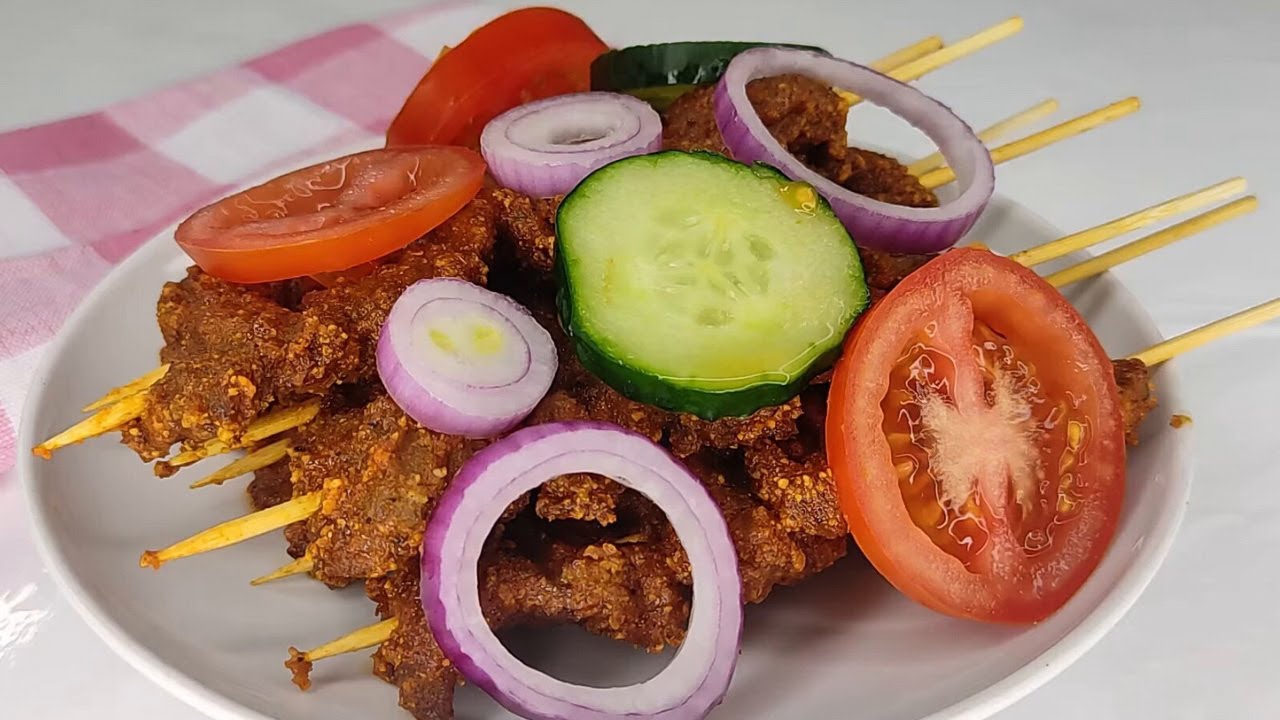
Suya: A Spicy and Savory Street Food Sensation

risques-niger.org – Suya, a popular West African street food, consists of thinly sliced, spiced, and grilled meat skewers, most commonly beef, but also chicken, ram, or offal. This flavorful and aromatic delicacy is a staple across Nigeria, Ghana, Cameroon, and other parts of the region, enjoyed by people of all ages and backgrounds. More than just a snack, suya represents a cultural experience, often enjoyed in social settings and late-night gatherings.   

Origins and Cultural Significance

The origins of suya are often attributed to the Hausa people of Northern Nigeria, who are known for their expertise in cattle rearing and meat preparation. The word “suya” is believed to have originated from the Hausa word “tsire,” which refers to the spiced meat. Over time, suya spread throughout West Africa, becoming a beloved street food enjoyed by diverse communities.   

Suya holds significant cultural importance, often associated with social gatherings, celebrations, and late-night outings. Suya vendors, known as “mai suya,” are a common sight in West African cities and towns, setting up their grills along busy streets and creating a vibrant atmosphere with the aroma of grilling meat and spices.

Key Ingredients: A Blend of Spices and Flavors

The distinctive flavor of suya comes from a unique blend of spices and seasonings, creating a complex and savory profile. The key components include:   

  • Meat: Beef is the most common type of meat used for suya, but other meats like chicken, ram, or offal (kidney, liver, tripe) can also be used. The meat is typically thinly sliced or cut into small pieces for even cooking.   

  • Yaji Spice Mix: This is the heart of suya’s flavor. It’s a complex blend of ground spices, including:

    • Ground Peanuts or Peanut Cake (Kulikuli): This provides a nutty base and adds texture.   
    • Dried Chili Peppers: These provide heat and contribute to the reddish color.   
    • Ginger: Adds a warm, spicy note.   
    • Dried Onions: Adds sweetness and depth of flavor.
    • Other Spices: Other spices that may be included are garlic powder, paprika, cloves, black pepper, and sometimes Maggi cubes or other bouillon.
  • Oil: Vegetable oil or groundnut oil is used to marinate the meat and to oil the grill.   

  • Onions and Tomatoes (for serving): Sliced onions and tomatoes are often served alongside suya as a refreshing accompaniment.   

Preparing Suya: A Grilling Art

The preparation of suya involves several key steps:

  1. Preparing the Meat: The meat is thinly sliced or cut into small pieces and then marinated in a mixture of oil and some of the yaji spice mix. The marination time can vary from a few hours to overnight, allowing the flavors to penetrate the meat.   
  2. Making the Yaji Spice Mix: The yaji spice mix is prepared by grinding the various spices together into a fine powder. The specific proportions of each spice can vary depending on regional preferences and individual recipes.
  3. Grilling the Suya: The marinated meat is threaded onto skewers and grilled over hot coals or a grill. The skewers are turned frequently to ensure even cooking and prevent burning. The grilling process imparts a smoky flavor to the meat.   
  4. Applying More Yaji: During the grilling process, more of the yaji spice mix is often sprinkled onto the meat, intensifying the flavor.
  5. Serving the Suya: The grilled suya skewers are served hot, often with sliced onions and tomatoes. Some vendors may also offer additional spices or sauces.   

Regional Variations and Styles

While the basic concept of suya remains the same, there are regional variations in the preparation and presentation.

  • Northern Nigerian Suya: Often uses more ground peanuts and has a drier texture.
  • Southern Nigerian Suya: May incorporate more oil in the marinade and have a slightly moister texture.
  • Ghanaian Suya (Chichinga): Often uses different spice combinations and may include more vegetables.

Serving and Enjoying Suya

Suya is typically enjoyed as a snack or a light meal, often consumed in social settings and late at night. It is a popular street food, sold by vendors at roadside stalls, markets, and events.   

Nutritional Value and Considerations

Suya provides a good source of protein from the meat. However, it can also be high in sodium and fat, depending on the preparation methods and the amount of oil and spices used. It’s best enjoyed in moderation as part of a balanced diet.

Suya’s Enduring Popularity

Suya’s delicious flavor, affordability, and cultural significance have contributed to its enduring popularity across West Africa. It is more than just a street food; it is a cultural icon, representing the region’s rich culinary heritage and bringing people together through shared culinary experiences. From bustling city streets to local markets, the aroma of grilling suya continues to be a testament to its enduring appeal.

Dakgangjeong: Perfect Balance of Sweet & Spicy Crispy Chicken

risques-niger.org – Dakgangjeong is a beloved Korean dish that perfectly balances sweetness and spiciness with a satisfying crunch. This sweet and spicy crispy chicken is a popular choice for both casual meals and special occasions, offering a delightful combination of flavors and textures. In this article, we’ll explore the origins of dakgangjeong, its preparation, and why it has become a favorite among Korean cuisine enthusiasts.

The Origins of Dakgangjeong

Dakgangjeong has its roots in Korean fried chicken, a dish that has gained international acclaim for its unique preparation and taste. Unlike Western fried chicken, Korean fried chicken is typically double-fried to achieve an extra-crispy exterior. Dakgangjeong takes this concept further by coating the crispy chicken in a sticky, sweet, and spicy glaze, creating a dish that is both flavorful and irresistible.

Ingredients and Preparation

The key to dakgangjeong lies in its sauce and the meticulous frying process that ensures maximum crispiness. Here’s a breakdown of its main components:

  • Chicken: Usually, bite-sized pieces of chicken are used, often wings or drumettes, which are easy to handle and perfect for coating with sauce.
  • Batter: The chicken is coated in a light batter made from flour and cornstarch, which helps achieve the signature crunch.
  • Sauce: The glaze is a harmonious blend of soy sauce, garlic, ginger, sugar, and gochujang (Korean chili paste), which offers the perfect balance of sweet and spicy. Honey or corn syrup is often added for a sticky consistency.
  • Garnish: The dish is often finished with sesame seeds and chopped peanuts for added texture and flavor.

To prepare dakgangjeong, the chicken is first marinated and then coated in the batter. It is fried twice to ensure a crispy exterior. After frying, the chicken is tossed in the prepared sauce until evenly coated. The result is a dish that is crispy on the outside, juicy on the inside, and bursting with flavor.

The Appeal of Dakgangjeong

Dakgangjeong’s popularity can be attributed to its irresistible combination of flavors and textures. The sweet and spicy glaze complements the savory notes of the fried chicken, while the crispy coating provides a satisfying crunch with every bite. It’s a dish that appeals to a wide range of palates, making it a favorite at gatherings, parties, and even as a street food snack.

This dish is also versatile, allowing for customization based on personal preferences. Some variations include using boneless chicken for easier eating or adjusting the level of spiciness to suit individual tastes.

Conclusion

Dakgangjeong is a testament to the innovation and flavor that define Korean cuisine. With its sweet and spicy glaze and perfectly crispy texture, this dish offers a delightful culinary experience. Whether you’re a fan of Korean food or simply looking for a new chicken dish to try, dakgangjeong promises to deliver a memorable meal that delights the senses.

Indian Street Food: A Spicy Tour Through Chaat and More

risques-niger.org – India, a country known for its rich tapestry of cultures and traditions, is also a paradise for food lovers. The streets of India are lined with vendors selling an array of mouth-watering snacks, collectively known as chaat. This article takes you on a spicy tour through the world of Indian street food, exploring the flavors, textures, and traditions that make chaat an essential part of the Indian culinary landscape.

The Essence of Chaat: A Symphony of Flavors

Chaat is more than just food; it’s an experience. The term “chaat” refers to a variety of savory snacks that are typically served at street-side stalls. These dishes are characterized by a harmonious blend of spices, a tangy taste, and a crunchy texture. From the iconic pani puri to the spicy samosas, chaat is all about the interplay of flavors—sweet, sour, salty, and spicy—that create a symphony in the mouth.

Pani Puri: The Queen of Chaat

No discussion of Indian street food is complete without mentioning pani puri. These hollow, puffed puris are filled with a mixture of tamarind water, mint, spices, and a sprinkle of chopped potatoes, chickpeas, and onions. The thrill of eating pani puri lies in the burst of flavors as you pop the entire puri into your mouth, experiencing a rollercoaster of taste sensations.

Samosas: A Crispy Delight

Samosas are another beloved street food in India. These triangular pastries are stuffed with a spiced mixture of potatoes, peas, and sometimes meat, then deep-fried until crispy. Served with a side of tamarind or mint chutney, samosas are the perfect snack for those who crave a hearty, satisfying bite.

Bhel Puri: The Crunchy Chaat

Bhel puri is a popular chaat that combines puffed rice, chopped onions, tomatoes, and a variety of chutneys and spices. The dish is known for its crunchy texture and tangy flavor, making it a refreshing option for a quick snack. The art of making bhel puri lies in the balance of ingredients, ensuring that each bite is a perfect blend of sweet, sour, and spicy.

Dahi Puri: Cooling Down the Spice

For those who love the creamy texture of yogurt, dahi puri is a must-try. Similar to pani puri, dahi puri consists of hollow puris filled with a mixture of potatoes, chickpeas, and yogurt, topped with chutneys and spices. The yogurt acts as a cooling agent, providing a soothing contrast to the spiciness of the other ingredients.

Vada Pav: The Indian Burger

Vada pav is often referred to as the Indian burger. A soft pav (bread roll) is filled with a deep-fried potato dumpling called vada, along with chutneys and spices. This hearty snack is a favorite among locals, offering a filling meal on the go. The combination of the crispy vada and the soft pav, along with the burst of flavors from the chutneys, makes vada pav a beloved street food.

Conclusion

Indian street food is a testament to the country’s culinary diversity and creativity. From the tangy pani puri to the crispy samosas, each chaat dish tells a story of India’s rich culinary heritage. Whether you’re looking for a quick snack or a hearty meal, the streets of India offer a spicy tour that is sure to tantalize your taste buds and leave you craving more. So, the next time you visit India, don’t miss out on the opportunity to indulge in the vibrant world of Indian street food.