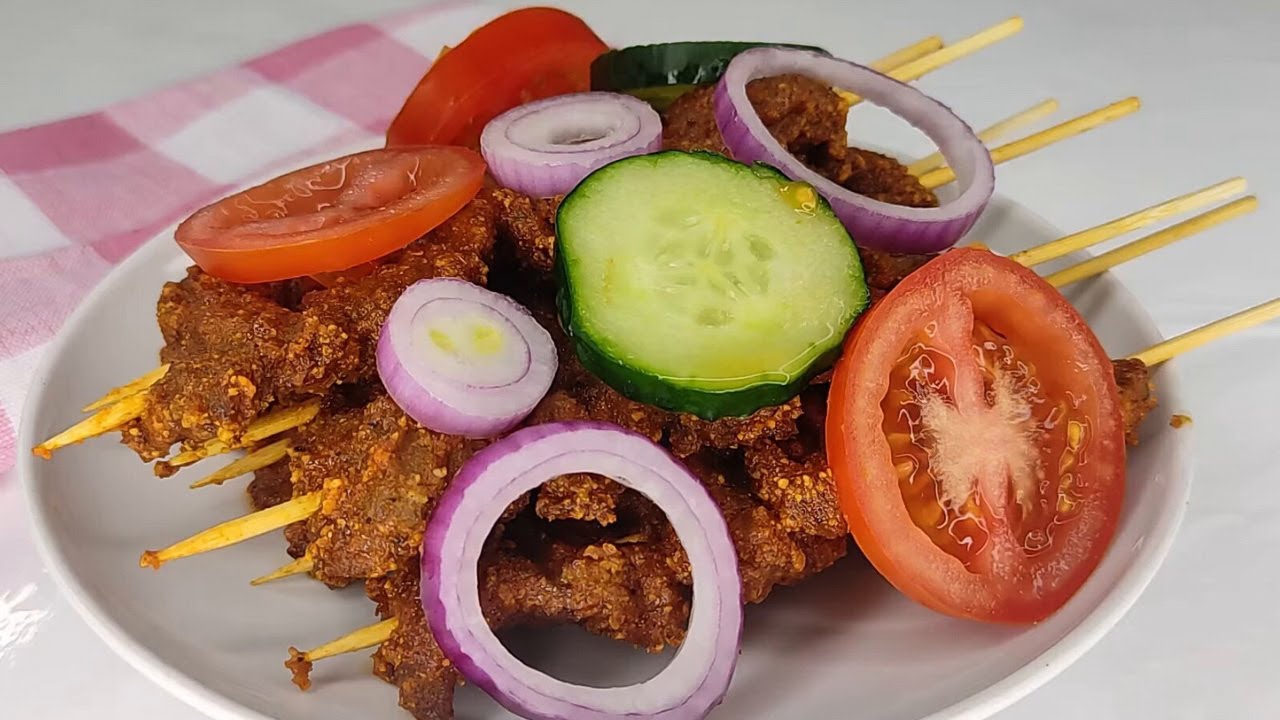
Suya: A Spicy and Savory Street Food Sensation

risques-niger.org – Suya, a popular West African street food, consists of thinly sliced, spiced, and grilled meat skewers, most commonly beef, but also chicken, ram, or offal. This flavorful and aromatic delicacy is a staple across Nigeria, Ghana, Cameroon, and other parts of the region, enjoyed by people of all ages and backgrounds. More than just a snack, suya represents a cultural experience, often enjoyed in social settings and late-night gatherings.   

Origins and Cultural Significance

The origins of suya are often attributed to the Hausa people of Northern Nigeria, who are known for their expertise in cattle rearing and meat preparation. The word “suya” is believed to have originated from the Hausa word “tsire,” which refers to the spiced meat. Over time, suya spread throughout West Africa, becoming a beloved street food enjoyed by diverse communities.   

Suya holds significant cultural importance, often associated with social gatherings, celebrations, and late-night outings. Suya vendors, known as “mai suya,” are a common sight in West African cities and towns, setting up their grills along busy streets and creating a vibrant atmosphere with the aroma of grilling meat and spices.

Key Ingredients: A Blend of Spices and Flavors

The distinctive flavor of suya comes from a unique blend of spices and seasonings, creating a complex and savory profile. The key components include:   

  • Meat: Beef is the most common type of meat used for suya, but other meats like chicken, ram, or offal (kidney, liver, tripe) can also be used. The meat is typically thinly sliced or cut into small pieces for even cooking.   

  • Yaji Spice Mix: This is the heart of suya’s flavor. It’s a complex blend of ground spices, including:

    • Ground Peanuts or Peanut Cake (Kulikuli): This provides a nutty base and adds texture.   
    • Dried Chili Peppers: These provide heat and contribute to the reddish color.   
    • Ginger: Adds a warm, spicy note.   
    • Dried Onions: Adds sweetness and depth of flavor.
    • Other Spices: Other spices that may be included are garlic powder, paprika, cloves, black pepper, and sometimes Maggi cubes or other bouillon.
  • Oil: Vegetable oil or groundnut oil is used to marinate the meat and to oil the grill.   

  • Onions and Tomatoes (for serving): Sliced onions and tomatoes are often served alongside suya as a refreshing accompaniment.   

Preparing Suya: A Grilling Art

The preparation of suya involves several key steps:

  1. Preparing the Meat: The meat is thinly sliced or cut into small pieces and then marinated in a mixture of oil and some of the yaji spice mix. The marination time can vary from a few hours to overnight, allowing the flavors to penetrate the meat.   
  2. Making the Yaji Spice Mix: The yaji spice mix is prepared by grinding the various spices together into a fine powder. The specific proportions of each spice can vary depending on regional preferences and individual recipes.
  3. Grilling the Suya: The marinated meat is threaded onto skewers and grilled over hot coals or a grill. The skewers are turned frequently to ensure even cooking and prevent burning. The grilling process imparts a smoky flavor to the meat.   
  4. Applying More Yaji: During the grilling process, more of the yaji spice mix is often sprinkled onto the meat, intensifying the flavor.
  5. Serving the Suya: The grilled suya skewers are served hot, often with sliced onions and tomatoes. Some vendors may also offer additional spices or sauces.   

Regional Variations and Styles

While the basic concept of suya remains the same, there are regional variations in the preparation and presentation.

  • Northern Nigerian Suya: Often uses more ground peanuts and has a drier texture.
  • Southern Nigerian Suya: May incorporate more oil in the marinade and have a slightly moister texture.
  • Ghanaian Suya (Chichinga): Often uses different spice combinations and may include more vegetables.

Serving and Enjoying Suya

Suya is typically enjoyed as a snack or a light meal, often consumed in social settings and late at night. It is a popular street food, sold by vendors at roadside stalls, markets, and events.   

Nutritional Value and Considerations

Suya provides a good source of protein from the meat. However, it can also be high in sodium and fat, depending on the preparation methods and the amount of oil and spices used. It’s best enjoyed in moderation as part of a balanced diet.

Suya’s Enduring Popularity

Suya’s delicious flavor, affordability, and cultural significance have contributed to its enduring popularity across West Africa. It is more than just a street food; it is a cultural icon, representing the region’s rich culinary heritage and bringing people together through shared culinary experiences. From bustling city streets to local markets, the aroma of grilling suya continues to be a testament to its enduring appeal.

The Curvy Fruit: A Comprehensive Look at Bananas

risques-niger.org – Bananas, with their distinctive curved shape and sweet flavor, are one of the most popular fruits worldwide. These versatile fruits are not only delicious but also packed with essential vitamins, minerals, and fiber. From their culinary uses to their health benefits, bananas have earned their place as a staple food in many cultures.

A Brief History

Bananas are believed to have originated in Southeast Asia, where they have been cultivated for thousands of years. They were introduced to other parts of the world by Arab traders, who brought them to the Middle East, Africa, and Europe. In the 16th century, Spanish explorers brought bananas to the Americas.

Nutritional Benefits

Bananas are a nutritional powerhouse, offering a range of health benefits:

  • Potassium: Bananas are an excellent source of potassium, an essential mineral that helps regulate blood pressure.
  • Vitamin B6: Vitamin B6 is important for brain function, nervous system health, and red blood cell production.
  • Vitamin C: Bananas contain vitamin C, which is essential for immune function and skin health.
  • Fiber: Bananas are a good source of fiber, which aids in digestion and promotes satiety.

Culinary Uses

Bananas are a versatile ingredient that can be used in a variety of dishes:

  • Fresh: Bananas can be eaten fresh, peeled, and sliced.
  • Smoothies: Bananas are a popular ingredient in smoothies, adding sweetness and creaminess.
  • Baked Goods: Bananas can be used to make breads, cakes, muffins, and pancakes.
  • Ice Cream: Banana ice cream is a delicious and healthy alternative to traditional ice cream.
  • Fried: Fried bananas are a popular dessert in many cultures.

Health Benefits

In addition to their nutritional value, bananas have several health benefits:

  • Digestive Health: The fiber in bananas can help promote regular bowel movements and prevent constipation.
  • Heart Health: The potassium in bananas can help reduce blood pressure and lower the risk of heart disease.
  • Mood Boost: Bananas contain tryptophan, an amino acid that can help improve mood and reduce stress.
  • Energy Boost: The natural sugars in bananas provide a quick source of energy.

Selecting and Storing Bananas

When selecting bananas, choose fruits that are firm and have a bright yellow color. Avoid bananas with brown spots or blemishes. To ripen bananas faster, place them in a brown paper bag. To slow down the ripening process, store bananas in the refrigerator.

Conclusion

Bananas, with their sweet flavor, versatility, and numerous health benefits, are a beloved fruit enjoyed by people of all ages. Whether you’re enjoying them fresh, in a smoothie, or baked into a delicious treat, bananas are sure to satisfy your taste buds and nourish your body.

Dakgangjeong: Perfect Balance of Sweet & Spicy Crispy Chicken

risques-niger.org – Dakgangjeong is a beloved Korean dish that perfectly balances sweetness and spiciness with a satisfying crunch. This sweet and spicy crispy chicken is a popular choice for both casual meals and special occasions, offering a delightful combination of flavors and textures. In this article, we’ll explore the origins of dakgangjeong, its preparation, and why it has become a favorite among Korean cuisine enthusiasts.

The Origins of Dakgangjeong

Dakgangjeong has its roots in Korean fried chicken, a dish that has gained international acclaim for its unique preparation and taste. Unlike Western fried chicken, Korean fried chicken is typically double-fried to achieve an extra-crispy exterior. Dakgangjeong takes this concept further by coating the crispy chicken in a sticky, sweet, and spicy glaze, creating a dish that is both flavorful and irresistible.

Ingredients and Preparation

The key to dakgangjeong lies in its sauce and the meticulous frying process that ensures maximum crispiness. Here’s a breakdown of its main components:

  • Chicken: Usually, bite-sized pieces of chicken are used, often wings or drumettes, which are easy to handle and perfect for coating with sauce.
  • Batter: The chicken is coated in a light batter made from flour and cornstarch, which helps achieve the signature crunch.
  • Sauce: The glaze is a harmonious blend of soy sauce, garlic, ginger, sugar, and gochujang (Korean chili paste), which offers the perfect balance of sweet and spicy. Honey or corn syrup is often added for a sticky consistency.
  • Garnish: The dish is often finished with sesame seeds and chopped peanuts for added texture and flavor.

To prepare dakgangjeong, the chicken is first marinated and then coated in the batter. It is fried twice to ensure a crispy exterior. After frying, the chicken is tossed in the prepared sauce until evenly coated. The result is a dish that is crispy on the outside, juicy on the inside, and bursting with flavor.

The Appeal of Dakgangjeong

Dakgangjeong’s popularity can be attributed to its irresistible combination of flavors and textures. The sweet and spicy glaze complements the savory notes of the fried chicken, while the crispy coating provides a satisfying crunch with every bite. It’s a dish that appeals to a wide range of palates, making it a favorite at gatherings, parties, and even as a street food snack.

This dish is also versatile, allowing for customization based on personal preferences. Some variations include using boneless chicken for easier eating or adjusting the level of spiciness to suit individual tastes.

Conclusion

Dakgangjeong is a testament to the innovation and flavor that define Korean cuisine. With its sweet and spicy glaze and perfectly crispy texture, this dish offers a delightful culinary experience. Whether you’re a fan of Korean food or simply looking for a new chicken dish to try, dakgangjeong promises to deliver a memorable meal that delights the senses.

Lontong Sayur: A Delightful Vegetable Curry with Rice Cakes

risques-niger.org – Lontong Sayur is a classic Indonesian dish that combines the comforting flavors of vegetable curry with the satisfying texture of rice cakes. This dish is a staple in many Indonesian households and is often enjoyed as a hearty breakfast or brunch. With its rich coconut milk base and aromatic spices, Lontong Sayur offers a delightful culinary experience that reflects the diverse flavors of Indonesian cuisine.

The Cultural Significance of Lontong Sayur

In Indonesia, Lontong Sayur holds a special place in the hearts of many, often associated with celebrations and communal gatherings. It is commonly served during festive occasions such as Eid al-Fitr, marking the end of Ramadan, and other important family events. The dish symbolizes unity and togetherness, as it brings people together to enjoy a shared meal.

Ingredients and Preparation

Lontong Sayur consists of two main components: the lontong (rice cakes) and the sayur (vegetable curry). The rice cakes are made by boiling rice in banana leaves until it forms a dense, compact texture. This method not only gives the rice its unique shape but also infuses it with a subtle aroma from the banana leaves.

The vegetable curry is made with a variety of ingredients, including young jackfruit, long beans, cabbage, and tofu, cooked in a fragrant coconut milk broth. Essential spices such as galangal, lemongrass, turmeric, and chili paste are used to create a rich and flavorful curry. The combination of creamy coconut milk and aromatic spices is what makes the curry truly irresistible.

Variations and Serving Suggestions

While the traditional version of Lontong Sayur uses specific vegetables, the recipe is versatile and can be adapted to include other vegetables or proteins based on personal preference. Some variations might include boiled eggs, tempeh, or chicken for added flavor and protein.

Lontong Sayur is typically served with a side of sambal (spicy chili sauce) for those who enjoy an extra kick of heat. It can also be garnished with crispy fried shallots and kerupuk (Indonesian crackers) to add texture and depth to the dish.

The Global Appeal of Lontong Sayur

As Indonesian cuisine gains international recognition, Lontong Sayur has become a favorite among those seeking authentic and comforting dishes. Its harmonious blend of spices and textures offers a unique taste experience that appeals to food lovers around the world.

Conclusion

Lontong Sayur is a testament to the rich culinary heritage of Indonesia, offering a delicious balance of flavors and textures. Whether enjoyed as a traditional breakfast or as a special treat during celebrations, Lontong Sayur embodies the warmth and hospitality of Indonesian culture. For those looking to explore the diverse world of Indonesian cuisine, this vegetable curry with rice cakes is a must-try dish that promises to delight the senses.

Indian Street Food: A Spicy Tour Through Chaat and More

risques-niger.org – India, a country known for its rich tapestry of cultures and traditions, is also a paradise for food lovers. The streets of India are lined with vendors selling an array of mouth-watering snacks, collectively known as chaat. This article takes you on a spicy tour through the world of Indian street food, exploring the flavors, textures, and traditions that make chaat an essential part of the Indian culinary landscape.

The Essence of Chaat: A Symphony of Flavors

Chaat is more than just food; it’s an experience. The term “chaat” refers to a variety of savory snacks that are typically served at street-side stalls. These dishes are characterized by a harmonious blend of spices, a tangy taste, and a crunchy texture. From the iconic pani puri to the spicy samosas, chaat is all about the interplay of flavors—sweet, sour, salty, and spicy—that create a symphony in the mouth.

Pani Puri: The Queen of Chaat

No discussion of Indian street food is complete without mentioning pani puri. These hollow, puffed puris are filled with a mixture of tamarind water, mint, spices, and a sprinkle of chopped potatoes, chickpeas, and onions. The thrill of eating pani puri lies in the burst of flavors as you pop the entire puri into your mouth, experiencing a rollercoaster of taste sensations.

Samosas: A Crispy Delight

Samosas are another beloved street food in India. These triangular pastries are stuffed with a spiced mixture of potatoes, peas, and sometimes meat, then deep-fried until crispy. Served with a side of tamarind or mint chutney, samosas are the perfect snack for those who crave a hearty, satisfying bite.

Bhel Puri: The Crunchy Chaat

Bhel puri is a popular chaat that combines puffed rice, chopped onions, tomatoes, and a variety of chutneys and spices. The dish is known for its crunchy texture and tangy flavor, making it a refreshing option for a quick snack. The art of making bhel puri lies in the balance of ingredients, ensuring that each bite is a perfect blend of sweet, sour, and spicy.

Dahi Puri: Cooling Down the Spice

For those who love the creamy texture of yogurt, dahi puri is a must-try. Similar to pani puri, dahi puri consists of hollow puris filled with a mixture of potatoes, chickpeas, and yogurt, topped with chutneys and spices. The yogurt acts as a cooling agent, providing a soothing contrast to the spiciness of the other ingredients.

Vada Pav: The Indian Burger

Vada pav is often referred to as the Indian burger. A soft pav (bread roll) is filled with a deep-fried potato dumpling called vada, along with chutneys and spices. This hearty snack is a favorite among locals, offering a filling meal on the go. The combination of the crispy vada and the soft pav, along with the burst of flavors from the chutneys, makes vada pav a beloved street food.

Conclusion

Indian street food is a testament to the country’s culinary diversity and creativity. From the tangy pani puri to the crispy samosas, each chaat dish tells a story of India’s rich culinary heritage. Whether you’re looking for a quick snack or a hearty meal, the streets of India offer a spicy tour that is sure to tantalize your taste buds and leave you craving more. So, the next time you visit India, don’t miss out on the opportunity to indulge in the vibrant world of Indian street food.

Tales from Royal Cooks: The Scepter and the Skillet

risques-niger.org – In the grand tapestry of history, the lives of royalty are often the most vividly depicted threads, woven with tales of power, intrigue, and opulence. However, behind the gilded facades of palaces and the majestic processions of monarchs, there exists a parallel universe of unsung heroes whose talents and toils have shaped the culinary landscape of royal courts. These are the royal cooks, the keepers of the skillet, whose stories are as rich and varied as the dishes they prepare. “The Scepter and the Skillet: Tales from Royal Cooks” delves into the lives and legacies of these culinary artisans, uncovering the fascinating tales that lie at the heart of royal kitchens.

The royal kitchen has always been a hub of activity, a place where the finest ingredients from across the kingdom and beyond are transformed into sumptuous feasts fit for a king or queen. The cooks who preside over these kitchens are not just chefs; they are alchemists of flavor, diplomats of cuisine, and guardians of tradition. Their skills are honed not just in the preparation of food, but in the art of pleasing palates accustomed to the finest tastes.

One of the most intriguing aspects of royal cooking is its role in diplomacy. Banquets and feasts have long been arenas for political maneuvering, where the presentation and quality of the food can reflect the wealth and power of the host. The cooks, therefore, are key players in these events, tasked with creating dishes that dazzle and impress. The story of Marie-Antoine Carême, the “King of Chefs and Chef of Kings,” is a prime example. Carême’s elaborate pièces montées, which were more architectural marvels than mere food, were designed to showcase the glory of France to visiting dignitaries.

But the life of a royal cook is not all pomp and grandeur. The kitchens of palaces are often hotbeds of intrigue, where the favor of the monarch can be as fleeting as the latest culinary trend. The tale of François Vatel, the maître d’hôtel of Louis XIV’s finance minister, Nicolas Fouquet, is a poignant reminder of the pressures faced by royal cooks. Vatel’s meticulous planning for a grand banquet was undone by a trivial mishap—the delay of a fish delivery—leading to his tragic demise. This incident underscores the high stakes involved in royal service, where the satisfaction of the sovereign’s palate can be a matter of life and death.

The relationship between royal cooks and their patrons is another fascinating dimension of these tales. Some cooks, like Antonin Carême, enjoyed the patronage of multiple European monarchs, while others, like Maria Luigia’s chef Vincenzo Agnoletti, were devoted to a single ruler, crafting dishes that catered to their specific tastes and whims. These relationships could be deeply personal, with cooks often privy to the intimate details of royal life, yet their names remain largely unknown to history.

“The Scepter and the Skillet” also explores the influence of royal cooks on the development of national cuisines. Many of the dishes we associate with certain countries today were perfected in the kitchens of palaces. The French culinary revolution, for instance, was spearheaded by chefs like Carême, who codified the techniques and recipes that form the backbone of modern French cuisine. Similarly, the royal courts of Italy, Spain, and England were crucibles for the evolution of their respective cuisines, with royal cooks playing pivotal roles.

In conclusion, “The Scepter and the Skillet: Tales from Royal Cooks” is a journey through the heart of royal kitchens, where the sizzle of the skillet competes with the pomp of the scepter. It is a tribute to the unsung heroes whose talents have not only fed the appetites of kings and queens but have also left an indelible mark on the culinary heritage of nations. Through these tales, we gain a deeper appreciation for the artistry and drama that lie behind every royal feast, and the indispensable role of the royal cook in the annals of gastronomy.

Global Guide to Munching and Crunching: The World of Snacks

Snacking is a universal pastime, a way to break up the day, fuel our bodies, and satisfy our cravings. Around the globe, the art of snacking takes on a multitude of forms, each reflecting the local culture, climate, and culinary traditions. From the bustling streets of Asia to the cozy cafes of Europe, and from the vibrant markets of Africa to the laid-back beaches of South America, snacks are a common thread that weaves through the fabric of our daily lives. This global guide to munching and crunching will take you on a journey through the world of snacks, exploring the diverse flavors and textures that define snacking culture across the continents.

Asia: A Feast for the Senses
In Asia, snacking is an adventure that tantalizes the taste buds with a kaleidoscope of flavors. From the fiery spices of Indian chaat to the umami-rich miso-flavored snacks in Japan, the variety is endless. In Thailand, som tam, a spicy green papaya salad, is a popular street snack that combines sweet, sour, salty, and spicy in one mouthful. Meanwhile, in China, you can find everything from stinky tofu to sweet red bean buns, catering to every imaginable craving.

Europe: From Artisanal to Iconic
European snacks are a blend of tradition and innovation. In France, the croque-monsieur, a ham and cheese sandwich, is a classic snack that’s both comforting and sophisticated. Italy offers a variety of antipasti, from cured meats to marinated vegetables, perfect for a quick bite. And let’s not forget the iconic British fish and chips or the Spanish tapas, which turn snacking into a social experience.

Africa: A Melting Pot of Flavors
African snacks are a testament to the continent’s rich diversity. In Nigeria, you can try puff-puff, deep-fried dough balls that are slightly sweet and incredibly addictive. Morocco offers the tangy and herby msemen, a type of savory pancake. And in South Africa, biltong, a form of cured meat, is a popular protein-packed snack that’s both tasty and satisfying.

North America: Comfort in Convenience
In North America, snacking often means convenience without sacrificing flavor. The United States is home to a plethora of snack options, from the classic peanut butter and jelly sandwich to the ever-popular potato chips in a myriad of flavors. Canada, on the other hand, boasts the beloved poutine, a snack that combines fries, cheese curds, and gravy, warming the hearts (and stomachs) of many.

South America: Vibrant and Varied
South American snacks are as vibrant as the continent itself. In Brazil, pastel, a fried pastry filled with meat, cheese, or vegetables, is a favorite street snack. Argentina’s empanadas, savory pastries with a variety of fillings, are perfect for on-the-go snacking. And in Peru, anticuchos, skewered and grilled meats, offer a hearty snack that’s both flavorful and filling.

Conclusion:
The world of snacks is a vast and exciting realm, with each region offering its unique take on what constitutes the perfect snack. Whether you’re exploring the street food of Asia, indulging in the artisanal delights of Europe, or sampling the comfort foods of the Americas, there’s a snack out there for every palate. So next time you’re looking for a snack, why not take a culinary journey around the world and discover the diverse and delicious options that await? Bon appétit!

A Taste of Luxury: The World’s Most Expensive Caviar

In the realm of culinary delights, caviar stands as a symbol of opulence and sophistication. Among the various grades and types of caviar available, there is one that reigns supreme in terms of price and exclusivity: the world’s most expensive caviar. This exquisite delicacy is not just a treat for the palate but also an experience that embodies luxury and rarity. In this article, we delve into the world of the most expensive caviar, exploring its origins, production, and the unique qualities that make it a treasure in the gastronomic world.

The Origins of Luxury: The Beluga, Osetra, and Sevruga

Caviar, the roe or eggs of sturgeon fish, has been a luxury item for centuries. The most prized varieties come from the Beluga, Osetra, and Sevruga sturgeons, which are native to the Caspian and Black Sea regions. These sturgeons produce caviar that varies in size, color, and flavor, with Beluga caviar being the most sought after due to its large size, buttery taste, and delicate texture.

A Rare Gem: Almas Caviar

At the pinnacle of caviar luxury is Almas caviar, often cited as the most expensive in the world. Almas caviar comes from the rare albino sturgeon, which is known for producing eggs of exceptional quality. The name “Almas” means “diamond” in Iranian, a fitting moniker for a product that is packaged in 24-karat gold tins and priced at upwards of $25,000 per kilogram. The rarity of the albino sturgeon, combined with the meticulous process of harvesting and preparing the eggs, contributes to its exorbitant cost.

The Art of Production

The production of high-quality caviar is an art that requires patience, skill, and knowledge. Sturgeons can take up to 20 years to mature and produce eggs of the desired quality. During this time, they are carefully nurtured in controlled environments to ensure the health and purity of the caviar. Once harvested, the eggs undergo a delicate process of cleaning, salting, and grading, which is crucial for preserving their unique flavors and textures.

A Taste of Luxury

The experience of tasting the world’s most expensive caviar is one of indulgence and refinement. The flavor profile of Almas caviar, for example, is often described as a perfect balance of richness and subtlety, with a creamy texture and a hint of sweetness. It is typically served in small quantities, often accompanied by traditional garnishes such as blinis, crème fraîche, and chopped onions or egg whites, which complement but do not overpower the delicate taste of the caviar.

Sustainability and Conservation

The luxury of caviar comes with a responsibility to ensure the sustainability of sturgeon populations. Overfishing and habitat destruction have led to a decline in sturgeon numbers, prompting conservation efforts and the development of sustainable aquaculture practices. Consumers of high-end caviar are increasingly seeking out products that are responsibly sourced and certified by organizations dedicated to the conservation of sturgeon species.

Conclusion

The world’s most expensive caviar is more than just a culinary indulgence; it is a testament to the artistry and dedication involved in producing a food that epitomizes luxury. From the meticulous care of the sturgeons to the delicate process of harvesting and preparing the eggs, every step reflects a commitment to quality and excellence. For those who have the privilege of tasting this rare delicacy, it is an experience that transcends the ordinary, offering a glimpse into a world where the finest things in life are savored and cherished.