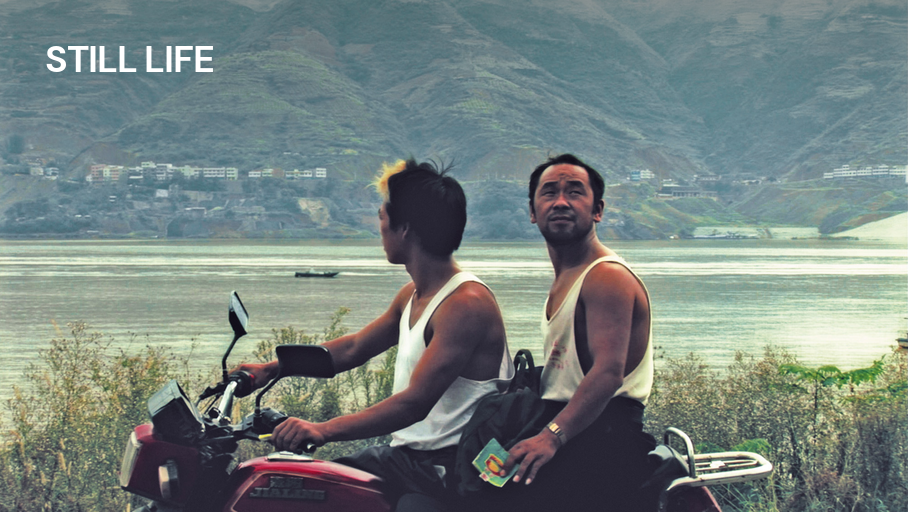
Still Life: A Poignant Reflection on Change & Displacement

risques-niger.org – “Still Life,” directed by Jia Zhangke, is a profound film that captures the human cost of modernization and displacement. Released in 2006, the film is set against the monumental backdrop of China’s Three Gorges Dam project, an immense undertaking that led to the relocation of millions of people. Through its intimate storytelling and striking visuals, “Still Life” offers a contemplative look at the lives affected by this transformation.

Introduction: A Cinematic Exploration of Transformation

In “Still Life,” Jia Zhangke continues his exploration of China’s rapid modernization, a theme central to his body of work. The film’s setting in Fengjie, a town being demolished to make way for the dam, serves as a powerful symbol of the broader changes sweeping across the country. By focusing on the personal stories of ordinary people, Jia provides a human perspective on the socio-economic forces reshaping China.

Plot Summary: Personal Journeys Amidst Societal Change

The film interweaves the stories of two characters, Han Sanming and Shen Hong, who arrive in Fengjie in search of long-lost family members. Han Sanming, a coal miner, is looking for his estranged wife, while Shen Hong, a nurse, seeks her husband who has been absent for two years. As they navigate the changing landscape of Fengjie, their personal quests unfold against the backdrop of demolition and flooding, highlighting the emotional and physical dislocation experienced by the town’s residents.

Themes: Displacement and the Search for Connection

“Still Life” delves into themes of displacement and the resilience of the human spirit. The film poignantly portrays the loss and longing that accompany the forced relocations, as well as the enduring hope for reunion and connection. Through its characters’ journeys, the film emphasizes the importance of personal relationships and the struggle to maintain one’s identity amidst upheaval.

Cinematic Achievements: A Visual and Emotional Masterpiece

Jia Zhangke’s direction in “Still Life” is marked by its understated elegance and attention to detail. The film’s cinematography, with its sweeping shots of the Yangtze River and the crumbling architecture of Fengjie, creates a visually arresting tableau that underscores the themes of change and impermanence. The use of long takes and naturalistic performances enhances the film’s emotional impact, drawing viewers into the characters’ world with authenticity and depth.

Legacy and Impact: A Landmark in Contemporary Chinese Cinema

“Still Life” received critical acclaim, winning the Golden Lion at the Venice Film Festival. The film’s exploration of contemporary issues resonated with audiences and critics alike, solidifying Jia Zhangke’s reputation as a leading voice in Chinese cinema. Its success highlights the power of cinema to address complex social issues through personal storytelling, offering a window into the human experiences behind large-scale transformations.

Conclusion: A Timeless Meditation on Humanity and Change

“Still Life” remains a timeless meditation on humanity and change, capturing the essence of a rapidly transforming society through its intimate portrayal of individual lives. Jia Zhangke’s masterful storytelling and the film’s evocative imagery continue to engage and inspire viewers, serving as a poignant reminder of the resilience and adaptability of the human spirit. As a cinematic exploration of displacement and hope, “Still Life” stands as a testament to the enduring power of film to illuminate the human condition.

A Reflection of its History: The Architecture of Montenegro

risques-niger.org – Montenegro, with its rich history spanning centuries, boasts a diverse architectural landscape that reflects its complex past. From ancient Illyrian settlements to medieval fortresses and modern coastal resorts, the country’s architecture tells a story of cultural influences, resilience, and adaptation. This article explores the various architectural styles found in Montenegro and their historical significance.

Ancient and Medieval Architecture

Illyrian and Roman Influences

The earliest architectural traces in Montenegro can be found in the ruins of Illyrian settlements. These ancient structures, often built on hilltops for defense, are a testament to the region’s early inhabitants. Roman influence is evident in cities like Doclea, where ruins of a Roman town and a basilica can still be seen, showcasing the engineering and architectural prowess of the Roman Empire.

Medieval Fortresses and Monasteries

The medieval period in Montenegro is marked by the rise of fortified towns and monasteries. The Kotor region, a UNESCO World Heritage Site, features well-preserved medieval architecture, including the Kotor Cathedral and the fortress of San Giovanni. These structures are characterized by their defensive features and the integration of Byzantine and Romanesque elements.

Montenegro’s monasteries, such as the Pobori and Moraca monasteries, are not only architectural marvels but also spiritual and cultural centers. Built during the Nemanjić dynasty, these monasteries reflect the Orthodox Christian influence and are adorned with frescoes dating back to different centuries.

Ottoman and Venetian Architecture

Ottoman Influence

The Ottoman Empire’s rule over Montenegro left a distinct architectural legacy. The city of Ulcinj, with its Ottoman-style houses and the Ulcinj Castle, offers a glimpse into this period. The Ottomans introduced new building techniques and styles, including the use of pointed arches, domes, and intricate tilework.

Venetian Influence

The Venetian Republic also played a significant role in Montenegro’s architectural history. The coastal towns of Kotor, Budva, and Herceg Novi bear the marks of Venetian influence, with their fortified walls, narrow streets, and Gothic and Renaissance-style buildings. The Venetian influence is particularly evident in the architecture of the Kotor Old Town, which is a masterpiece of medieval urbanism.

Modern and Contemporary Architecture

20th Century Developments

The 20th century saw significant changes in Montenegro’s architectural landscape. The country’s integration into Yugoslavia led to the development of modernist and socialist-realist architecture, with examples found in the capital, Podgorica. The Millennium Bridge, a modern cable-stayed bridge, is a symbol of Montenegro’s transition to a modern state and its embrace of contemporary architectural designs.

Sustainable and Eco-Friendly Designs

In recent years, Montenegro has focused on sustainable and eco-friendly architectural designs, especially in its coastal regions. Luxury resorts and private villas are being built with an emphasis on blending with the natural environment, using local materials, and incorporating green technologies.

Conclusion

Montenegro’s architecture is a living museum of its history, showcasing the country’s rich cultural heritage and the influences of various civilizations. From ancient ruins to modern eco-resorts, the architectural landscape of Montenegro reflects its journey from ancient tribal settlements to a modern European state. Preserving and celebrating this architectural diversity is crucial for understanding Montenegro’s past and shaping its future.